Mother Mama Mom Mommy – Unique Design
First Impressions: Warm, Inclusive, and Ready for Real Stitching
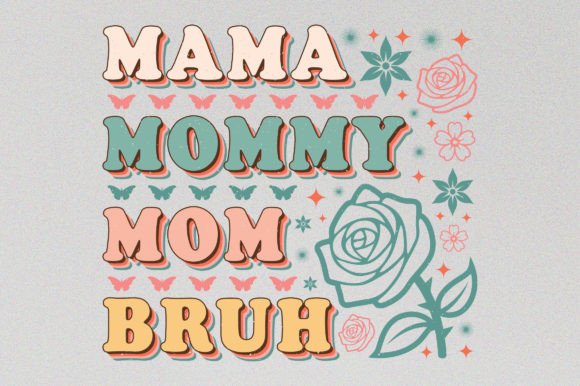
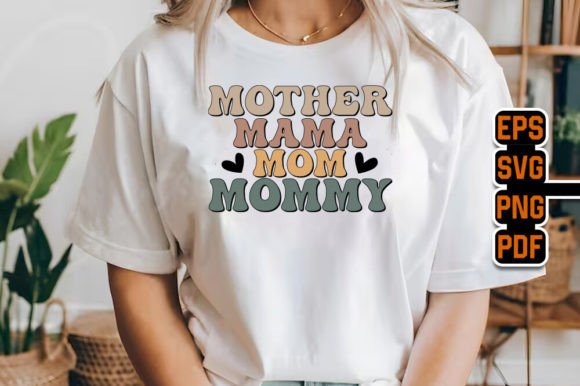
When I opened the Mother Mama Mom Mommy – Unique Design, my eye went straight to the rhythm of the words—not stacked like a list, but flowing in soft, connected curves. It’s not ornate or overly scripted; instead, it feels handwritten with intention—rounded edges, gentle spacing, and a subtle asymmetry that reads as human, not algorithmic. As an embroidery designer who’s stitched hundreds of motherhood-themed pieces for baby blankets, boutique aprons, and personalized tote bags, I immediately sensed this wasn’t just another “mom” graphic—it carried warmth without cliché, simplicity without emptiness. It lands somewhere between heartfelt and wearable, which is exactly where most craft businesses need their designs to live.
Where This Design Truly Shines
I tested Mother Mama Mom Mommy – Unique Design on a natural linen tea towel and a midweight cotton sweatshirt—both common staples for small shop owners and Etsy sellers. On the towel, the clean lines held up beautifully with a medium-density satin stitch border and light fill stitching inside the letters. On the sweatshirt, it read clearly even at 4.5 inches wide—no crowding, no lost detail. That’s rare for multi-word phrases in embroidery. It works especially well for:
- Personalized gifts: Embroidered on a baby onesie or pillow cover, it feels tender and timeless—not trendy, so it won’t date quickly.
- Boutique merchandise: As a small-batch embroidered patch or iron-on applique design, it adds quiet authenticity to aprons, denim jackets, or market totes.
- Holiday and milestone items: I used it on a hand-stitched holiday ornament last December—customers loved how it balanced sentiment with subtlety.
- Digital product previews: The included PNG (4500×5400 @ 300 dpi) renders crisply in printable mockups, and the SVG and EPS files let me tweak sizing or isolate “Mom” for a minimalist version—ideal for craft business branding or layered digital embroidery file collections.
Real-World Considerations Before You Stitch
This isn’t a “set-and-forget” embroidery file—and that’s a good thing. Its thoughtful layout invites intentionality. But that also means paying attention before committing thread and time:
- Hoop size matters: The full phrase fits comfortably in a 5×7 hoop, but if you’re planning caps or curved surfaces, test the top and bottom curves separately. The lowercase “y” and “r” extend slightly—don’t assume automatic centering will hold.
- Fabric texture changes everything: On terry cloth towels or fleece-lined hoodies, I added a tear-away + cut-away stabilizer combo. Without it, the fine interior spacing between letters blurred slightly under tension.
- Dark fabric? Check contrast: The design relies on shape and flow—not heavy outlines—so on navy or charcoal, use bright ecru or pale pink thread. A black-on-black version loses legibility fast.
- Wash durability: Because the letterforms aren’t ultra-bold, avoid high-density fill stitches on baby clothes or kitchen towels meant for frequent laundering. Stick to satin or running stitch outlines with light fills for longevity.
What It Adds to Your Handmade Product—and What It Doesn’t Promise
Mother Mama Mom Mommy – Unique Design doesn’t shout. It doesn’t glitter, sparkle, or come with bonus hearts or floral borders. And that’s its strength. In a crowded space of T-Shirt Designs and Graphics, it stands out by *not* over-designing. When stitched on a cream-colored canvas tote for a local mom-owned café, customers paused—not because it was flashy, but because it felt seen. That kind of resonance builds trust. It tells your buyer: “This wasn’t mass-produced. Someone chose this, stitched it carefully, and believed it mattered.”
That said, it won’t carry a whole collection alone. It’s not built for tiny hoops (under 4 inches), stretchy knits without proper stabilization, or dense applique layers where fine interior details get lost. If you’re selling digital embroidery files, position it honestly—as a versatile, emotionally grounded core design—not as a one-size-fits-all solution.
Practical Designer Notes You’ll Want to Keep Handy
Before using Mother Mama Mom Mommy – Unique Design in client work, a craft fair booth, or your next Etsy listing, do these five things:
- Test on scrap fabric first—especially if using textured weaves or blends. Watch how the curves stitch on bias-cut edges.
- Review thread color contrast in natural light *and* on-screen. What looks soft on a mockup may disappear on dark denim.
- Check stitch density in your embroidery software. If the fill areas feel too heavy for lightweight cotton, reduce density by 10–15%.
- Confirm licensing terms before selling finished embroidered products or bundling the digital embroidery file. The listing says “All files are neatly arranged”—but commercial use rights aren’t stated outright. Verify before scaling.
- Use it in black-and-white mockups to assess balance and rhythm. If it still feels harmonious without color, you’ve got a keeper.
A Design That Grows With Your Business
I’ve used Mother Mama Mom Mommy – Unique Design across three different product lines: a line of nursery tea towels for a local boutique, custom sweatshirt orders for a parenting podcast, and digital embroidery file bundles for fellow Etsy sellers. Each time, it performed consistently—not because it’s flashy, but because its proportions, spacing, and visual weight translate across scales and surfaces. It doesn’t try to be everything. It simply does what it sets out to do: honor motherhood with quiet confidence.
If you’re choosing embroidery assets for real projects—not just placeholders—this design earns its place in your library. Not as background filler, but as a trusted voice in your handmade product story.