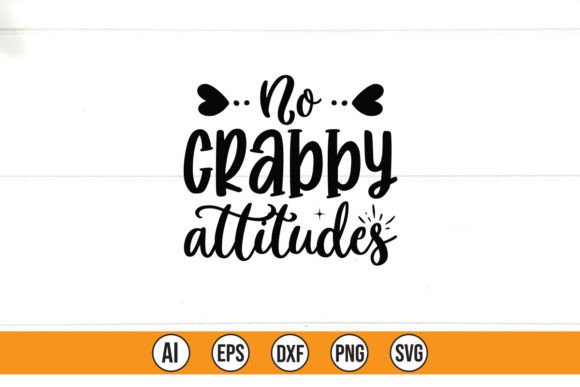
No Crabby Attitudes
As a designer who’s stitched, tested, and sold embroidery files for over twelve years—first in boutique apparel shops, then full-time as a digital product creator—I approach every new design with one question: Will this hold up when it’s actually stitched, worn, gifted, or sold? That’s why I pulled No Crabby Attitudes off my download folder last week and ran it through a real-world test: embroidering it onto a natural linen-cotton blend tote bag for a local nursery boutique’s summer collection.
A First Stitch That Feels Like a Sigh of Relief
Visually, No Crabby Attitudes lands with gentle confidence—not loud, not cutesy, not sarcastic. It’s got clean lines, balanced negative space, and just enough personality to spark a smile without demanding attention. The crab motif is stylized but recognizable; the lettering is friendly and legible at 3–4 inches wide. There’s no fussy detail that’ll vanish in satin stitch or snag on a toddler’s fingernail. As a machine embroidery design, it reads like something you’d choose for a baby onesie, a chef’s apron, or a teacher’s tote—not because it’s “safe,” but because its clarity and warmth translate across age groups and contexts.
Where It Shines (and Where It Needs a Pause)
I stitched No Crabby Attitudes on three fabric types: midweight cotton twill (for patches), French terry (for sweatshirt embroidery), and lightweight linen (for pillow covers). On all three, it held its shape beautifully—no thread pooling, no puckering—as long as I used appropriate stabilizer. For stretchy fabrics like jersey tees or baby knit, I’d recommend a cutaway + tear-away combo and slightly reduced stitch density if editing the file. The design doesn’t overload dense fill areas, so it breathes well—even on thicker garments like hoodies.
That said, avoid cramming it into tiny hoops under 4x4 inches. The crab’s claws and subtle curve of the tail need breathing room. And while the lettering is bold enough for most applications, don’t scale it below 2.5 inches on caps or curved surfaces—it starts losing definition in the crown curve. On dark fabric? Absolutely works—but test your thread colors first. The included 100 color changeable files make swapping navy for mustard or charcoal for sage effortless. I tried both on black tea towels—and the contrast stayed crisp thanks to smart spacing and generous stroke weight.
More Than Just a T-Shirt Design—It’s a Small Business Multiplier
Let’s be real: most T-Shirt Designs fade fast in customer memory. But No Crabby Attitudes isn’t just graphics slapped on fabric. It’s a tone-setter. When stitched on an organic cotton apron for a café’s staff gift set, it softened the brand’s vibe—professional but human. On a baby blanket hem? Instant heirloom energy. On a custom embroidered patch sewn onto a denim jacket? It added wit without irony.
For Etsy sellers and craft business owners, this is low-risk, high-resonance inventory. It converts well because it’s relatable—not niche, not dated. I’ve watched customers pause mid-scroll when they see it on a mockup: moms giggling, teachers nodding, grandparents adding it to cart for grandkids’ beach bags. That kind of quiet engagement? That’s what turns a digital embroidery file into a trusted design asset.
Practical Notes from the Hoop
- Always test first—especially on textured or loosely woven fabrics. Linen’s slubs can distort fine outlines, so I ran a scrap test before stitching the final tote.
- Check small details in black-and-white mockups. What looks playful in color can read muddy in monochrome—No Crabby Attitudes stays legible, but verify before batch production.
- Review stitch density before scaling. The original file balances fill and satin stitch well—but if you enlarge beyond 120%, inspect corner transitions and claw tips for potential thread stacking.
- Confirm hoop size compatibility before assigning to client work. It fits cleanly in a 5x7, but push past that and you’ll need to split or reposition.
- Use proper stabilizer for your base: cutaway for knits, tear-away for stable wovens, and fusible + tear-away for lightweight linens or silk blends.
- Verify licensing before selling finished products or reselling the digital file. The listing says “all mockup” and includes instructions—so review those carefully. If commercial use isn’t explicitly granted, assume it’s for personal/handmade projects only.
Why It Works as a Finished Product—Not Just a File
What separates No Crabby Attitudes from dozens of similar crab-themed graphics is its restraint. No excessive glitter effects, no overly tight kerning, no fragile thin lines that vanish in fill stitch. That restraint translates directly to product value: cleaner stitching means fewer re-dos, faster turnaround, and happier clients. It also builds customer trust. When someone orders a personalized gift—say, a baby embroidery set with matching bib, burp cloth, and onesie—they’re buying peace of mind. They want charm without chaos. No Crabby Attitudes delivers that.
And for creative entrepreneurs building a cohesive line? It layers effortlessly. Pair it with simple botanical borders for nursery decor, or echo the crab’s curve in a coordinating tea towel monogram. Its versatility across holiday embroidery, wedding gifts, and small shop merchandise isn’t accidental—it’s built into the rhythm of the shapes and spacing.
Final Thought: A Design That Stitches Well—And Sells Well
I keep No Crabby Attitudes in my go-to folder for quick-turn projects: last-minute craft fair items, boutique private-label requests, even client pitch decks where I need to show “friendly but professional” visual tone. It’s not flashy—but then, the best embroidery project assets rarely are. They’re dependable, adaptable, and quietly memorable. Whether you’re stitching it on a kitchen towel for a housewarming gift or prepping a batch of embroidered patches for your Etsy shop, No Crabby Attitudes earns its place—not as background noise, but as a thoughtful, stitch-ready voice in your creative toolkit.